Bollywood actor Imran Khan, best known for films such as Jaane Tu… Ya Jaane Na, Delhi Belly and I Hate Luv Storys, has been directed to leave India by October 28, 2026, following his participation in a protest in Mumbai against Chief Election Commissioner Gyanesh Kumar. The development has put the actor, who is Aamir Khan’s nephew and an American citizen holding an Overseas Citizen of India (OCI) card, at the centre of a political and legal controversy. The notice followed a complaint by former Bharatiya Janata Party (BJP) MP Kirit Somaiya, who questioned whether Imran could participate in a political demonstration as a foreign national. The actor had been detained by Mumbai Police on October 10 during a gathering at August Kranti Maidan in support of a protest organised by the Cockroach Janata Party (CJP). The case has since raised several questions: Why has Imran been asked to leave India? What role did Somaiya play in the matter? Does an OCI card allow a person to participate in political protests? And what was the demonstration against Gyanesh Kumar about?
Why Has Imran Khan Been Asked To Leave India? Mumbai Police issued a notice directing Imran Khan to leave the country by October 28, citing alleged violations of the Immigration and Foreigners Act, 2025. The action came after his participation in the October 10 protest demanding the resignation of Chief Election Commissioner Gyanesh Kumar. According to reports quoting police officials, the actor’s American citizenship and participation in the demonstration prompted the authorities to examine whether his conduct violated the conditions applicable to foreign nationals in India. Imran, who holds an OCI card, is not an Indian citizen. While OCI status allows eligible foreign nationals of Indian origin to live in India under specified conditions and provides several privileges, it does not confer Indian citizenship or the full political rights available to Indian citizens. The Immigration and Foreigners Act, 2025, contains provisions governing the presence and movement of foreign nationals in India, including Section 29, which deals with the power to order the removal of a foreigner in specified circumstances. The authorities’ action follows the protest and the complaint against the actor. Whether the action will be challenged, and how any legal challenge would be decided, remain separate questions.
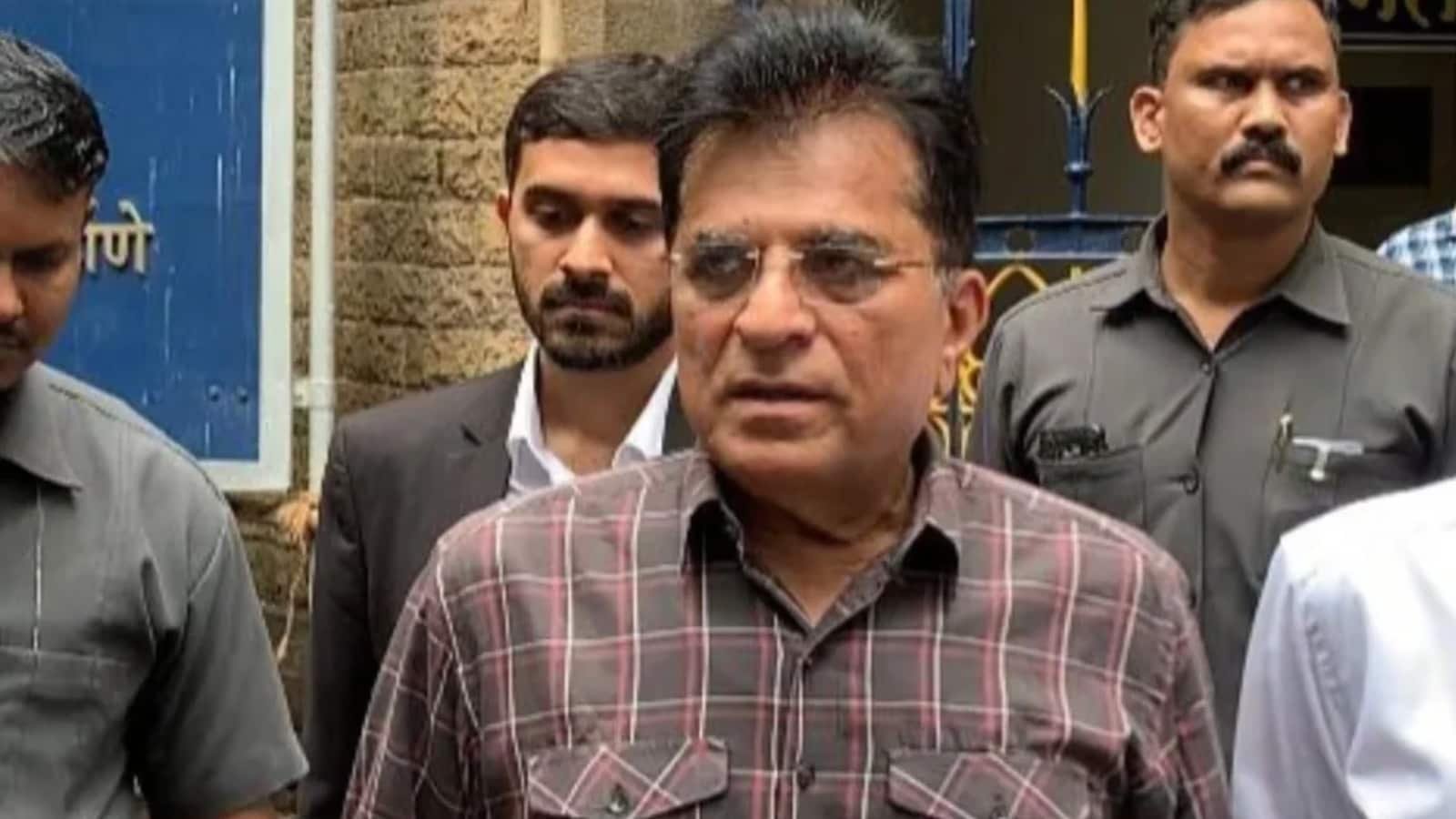
How Did Kirit Somaiya’s Complaint Bring The Matter Into Focus? Former BJP MP Kirit Somaiya questioned Imran’s participation in the Mumbai protest soon after the actor was detained. Somaiya wrote to Mumbai Joint Commissioner of Police Manoj Kumar Sharma, asking whether the actor had obtained the necessary permission to participate in the demonstration and seeking an investigation if he had not. Somaiya also publicly demanded action against Imran, arguing that a foreign national should not take part in political protests in India. He subsequently approached the Union Home Secretary on October 13, seeking further action, including the issuance of a Look Out Circular (LOC) and measures to prevent the actor from leaving the country. The complaint brought the matter to the attention of the police and immigration authorities. However, the notice directing Imran to leave India was issued by the authorities under the applicable immigration framework; Somaiya’s demand for an LOC and the eventual notice are distinct steps. The sequence of events has made Somaiya a central figure in the controversy, but describing him as the person who single-handedly caused the actor’s departure would go beyond the established facts.
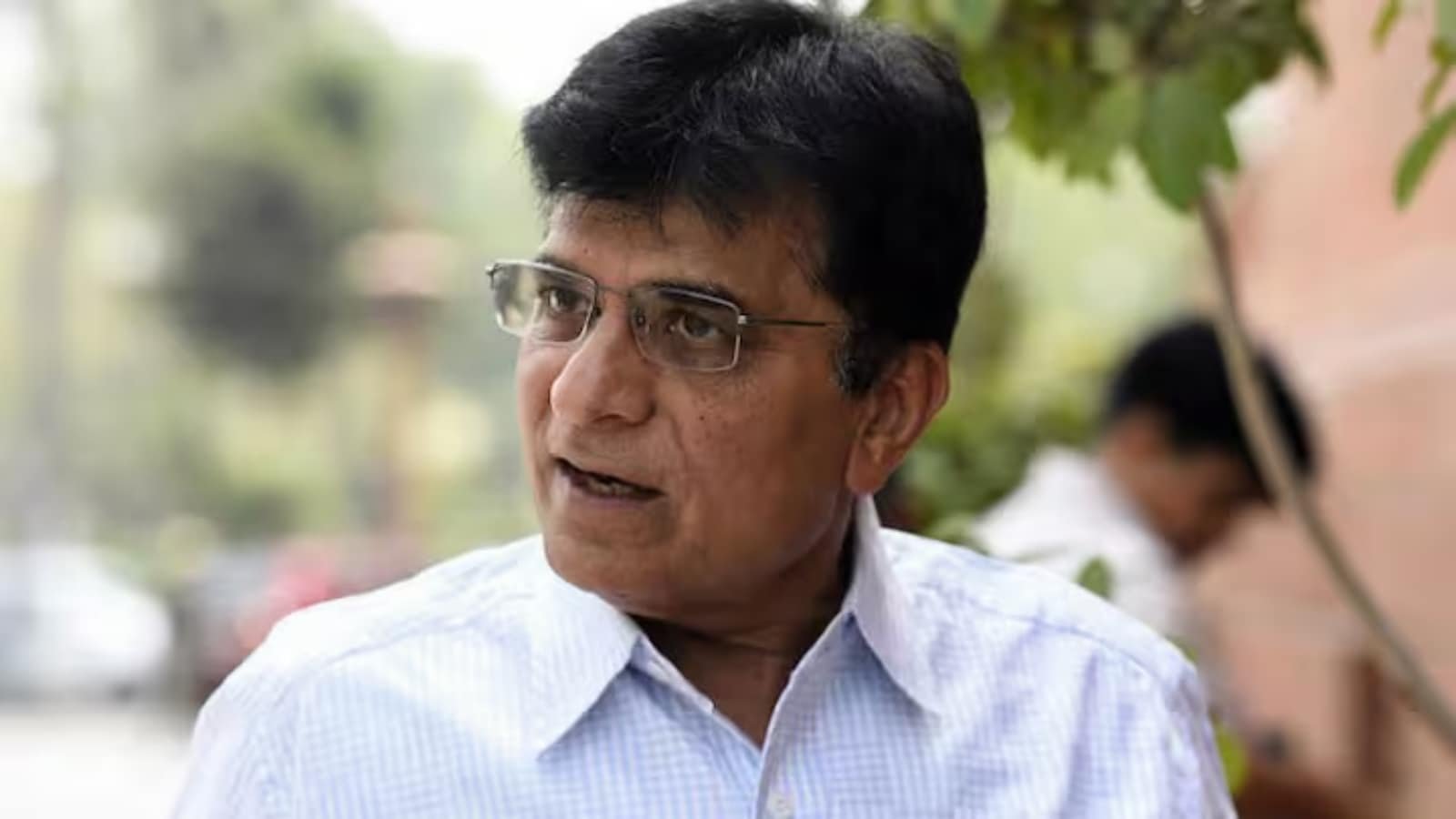
Who Is Kirit Somaiya? Kirit Somaiya is a Maharashtra BJP leader and former Lok Sabha MP known for pursuing allegations of corruption and demanding investigations into political and financial controversies. A chartered accountant by profession, Somaiya has represented Mumbai North East in the Lok Sabha during two separate terms: 1999-2004 and 2014-2019. He became known for using documents, complaints and information obtained through official channels to question political opponents and raise allegations of wrongdoing. His latest intervention concerns Imran Khan’s participation in the CJP-linked demonstration. By writing to police and subsequently approaching the Union Home Secretary, Somaiya sought action over what he argued was the actor’s participation in political activity despite being a foreign citizen. The controversy has also brought renewed attention to the rules governing OCI cardholders and the extent to which they can participate in public demonstrations.
What Is An OCI Card, And Does It Allow Political Protest? The Overseas Citizen of India scheme was introduced in 2005 for eligible people of Indian origin who hold foreign citizenship. Despite its name, OCI status does not amount to dual citizenship. OCI cardholders receive several privileges, including a multiple-entry, lifelong visa to India, subject to applicable conditions. They also have certain rights relating to residence, education, property and professional activities. However, they do not enjoy all the political rights available to Indian citizens. For example, OCI cardholders cannot vote in Indian elections, contest parliamentary or state legislative elections, or hold certain constitutional offices. The distinction between citizenship and OCI status is central to the Imran Khan controversy. Police have cited his foreign citizenship and participation in the protest as grounds for action under immigration law. However, the question of whether participation in a particular demonstration amounts to a violation of the applicable conditions is a legal issue that may require examination of the relevant rules, the circumstances and the grounds stated in the notice.
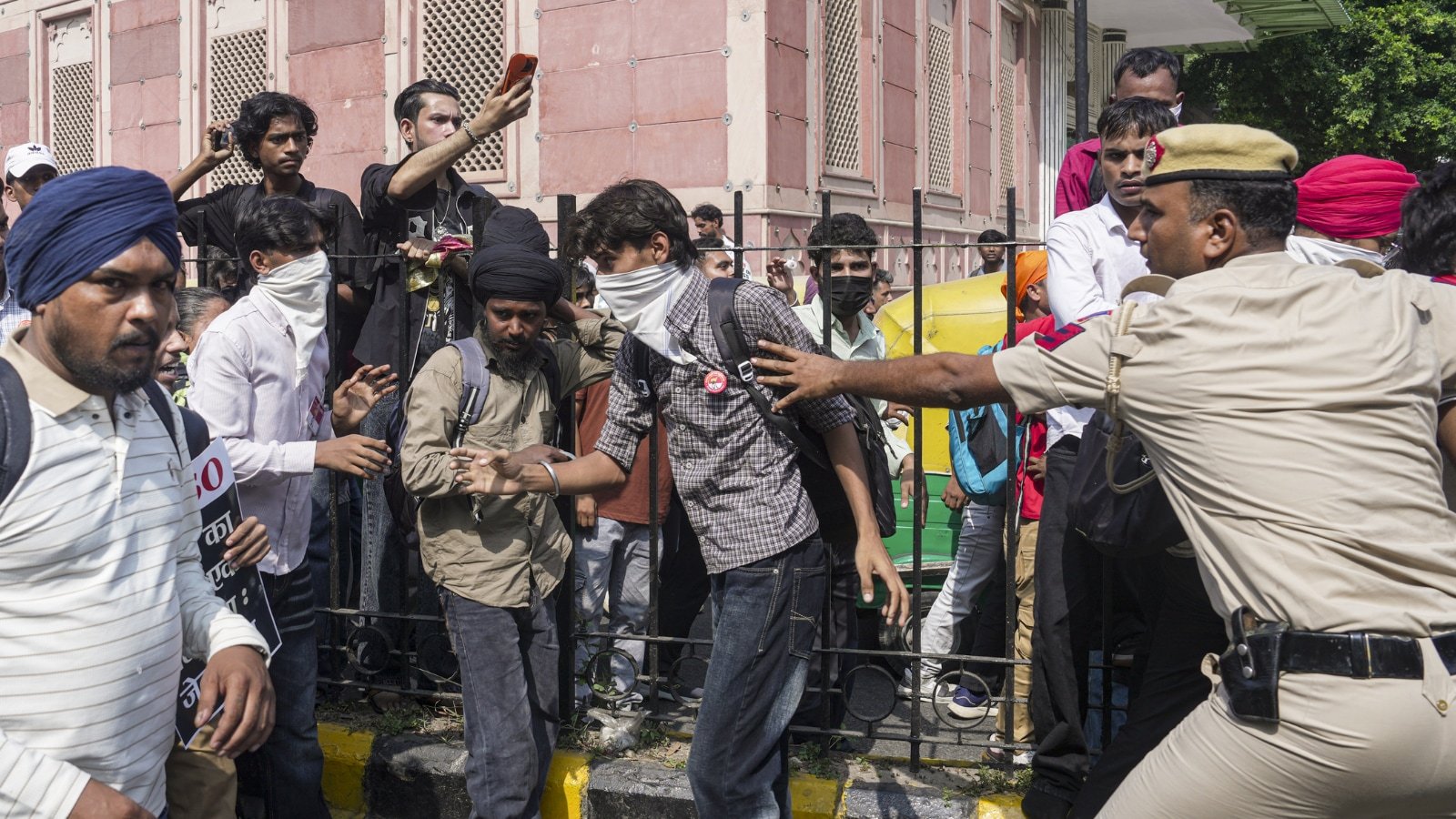
Why Were People Protesting Against Chief Election Commissioner Gyanesh Kumar? The October 10 demonstration in Mumbai was held in solidarity with a protest associated with the Cockroach Janata Party (CJP) in Delhi. Demonstrators were demanding the resignation of Chief Election Commissioner Gyanesh Kumar amid allegations relating to electoral processes and voter-list revisions. The Election Commission has rejected allegations of wrongdoing relating to its procedures. The protests and the demands made by participants therefore form part of a widerpolitical dispute over electoral administration. In Mumbai, August Kranti Maidan in South Mumbai was the proposed gathering point. Police had deployed additional personnel and erected barricades to prevent the demonstration from proceeding as planned. Authorities said the gathering did not have the required permission and that August Kranti Maidan was not an authorised location for such demonstrations under the applicable court directions. Police action was taken to prevent the gathering and maintain law and order.
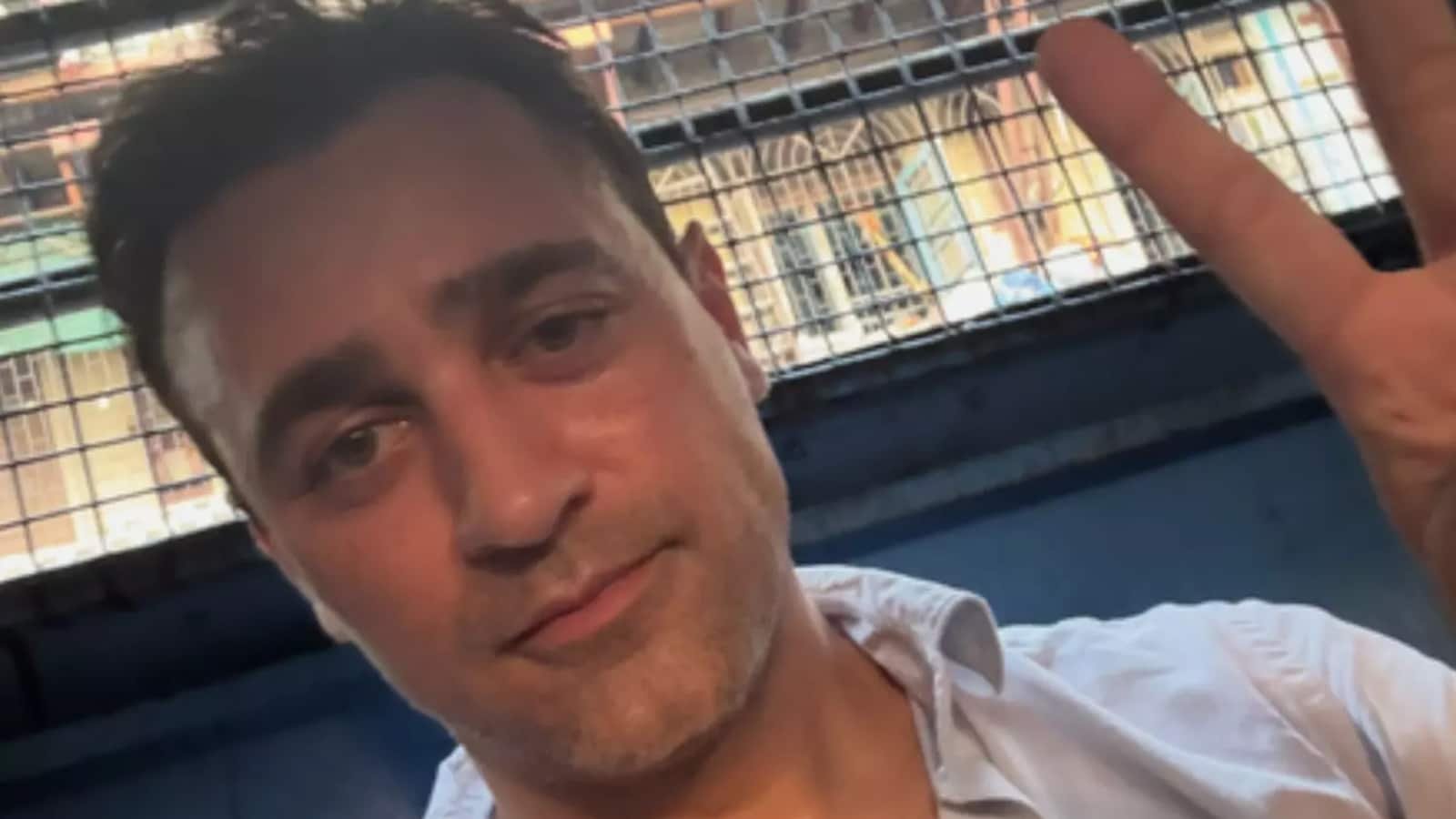
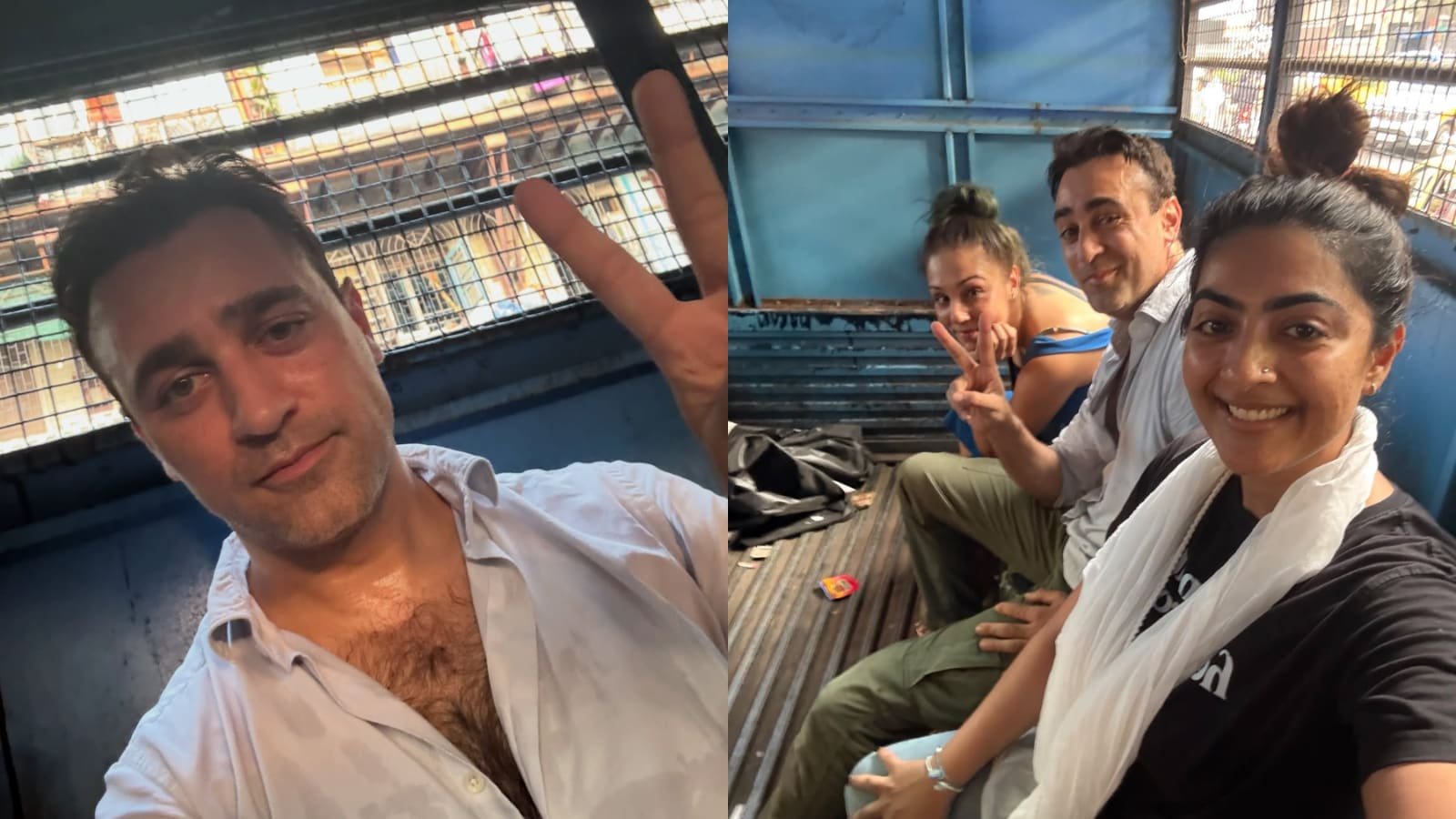
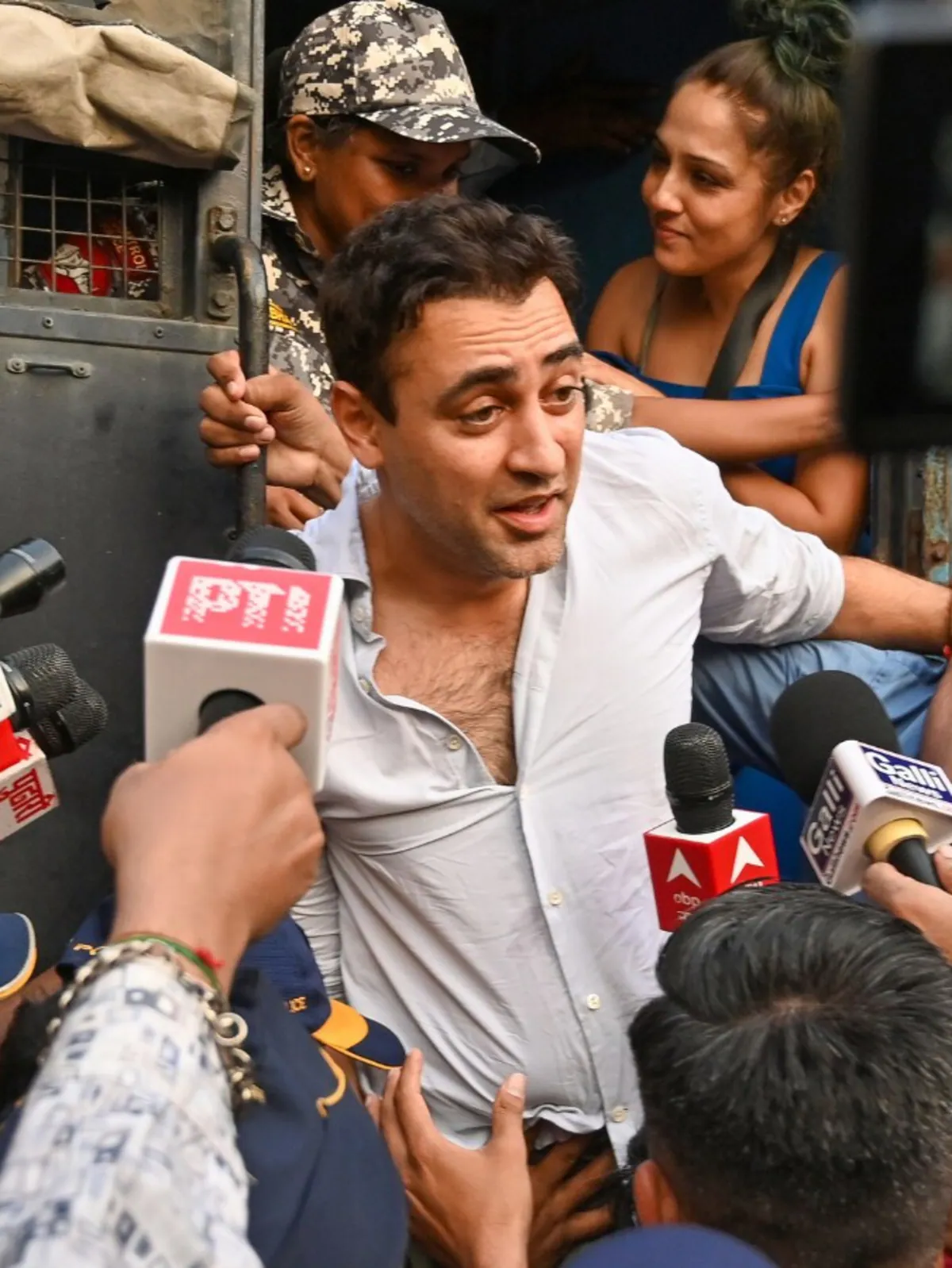
What Happened When Imran Khan Was Detained In Mumbai? Imran was among hundreds of people detained by Mumbai Police on October 10 during the crackdown on the proposed demonstration. Reports put the number detained across the city at more than 400, with some accounts placing the total at around 600. The actor was detained at or near August Kranti Maidan and taken away in a police vehicle. His partner, actor Lekha Washington, was also among those detained, according to reports. After being taken into custody, Imran shared a photograph from inside a police van with the caption, “Apparently I’m going for a drive.” In a video recorded during the incident, he questioned why he was being taken away and said he had no specific demands and was not part of any organisation. He explained that he had participated in his individual capacity and wanted to understand why people’s movement was being restricted and their voices suppressed. Several other protesters were detained at different locations in Mumbai. Some alleged that police personnel had assaulted demonstrators during the operation, while the authorities maintained that preventive measures were necessary because the gathering lacked permission.

Can Imran Khan Challenge The Notice? The notice directs Imran to leave India by October 28. Any challenge to the direction would depend on the grounds available to him, the terms of the notice and the applicable legal procedures. The Immigration and Foreigners Act, 2025, provides a framework for regulating foreign nationals’ entry, stay and departure from India. Section 29 deals with the power to order the removal of a foreigner in specified circumstances. The legal position concerning his participation in the protest, the conditions attached to his OCI status and the basis for the notice could become important if the actor chooses to contest the action.

What Happens Next? Actor Imran Khan is set to approach the Bombay High Court to challenge the notice issued by the Foreigners Regional Registration Office (FRRO), directing him to leave India by October 28 for allegedly violating the Foreigners Act. Once the plea is filed, it will be moved for an urgent hearing and is likely to be heard by a division bench comprising Chief Justice Mahesh Chandra Tripathi and Justice Advait Sethna. Khan is being represented by advocates Zulfiquar Memon, Parvez Memon and Chirag Naik of MZM Legal LLP.

Imran Khan’s Bollywood Career: Before becoming the focus of this controversy, Imran Khan was known for his work in Hindi cinema. He made his breakthrough as a leading actor with Jaane Tu… Ya Jaane Na (2008), a romantic comedy that established his image as a youthful Bollywood star. He subsequently appeared in films including Kidnap (2008), Luck (2009), I Hate Luv Storys (2010), Delhi Belly (2011), Mere Brother Ki Dulhan (2011) and Ek Main Aur Ekk Tu (2012). His roles in romantic comedies and urban films helped him build a following among younger audiences. His participation in the October 10 protest and the subsequent notice to leave India have now placed his personal and public life in the news for reasons unrelated to his film career. The immediate issue is the immigration notice and the deadline of October 28. The restrictions applicable to OCI cardholders and any legal challenge to the authorities’ decision will determine how the matter develops.