Meena Kumari was only four when her father, Ali Bux, took her to the film studios and put her in front of the camera. Born Mahjabeen Bano, she began working as a child artiste in Vijay Bhatt’s Leatherface in 1939. She was paid just Rs 25 for the film. According to biographer Vinod Mehta, Meena later recalled that she had expected to return to school and enjoy a normal childhood after a few days of work. That never happened. Her family depended heavily on the money she earned, and she soon became one of its main breadwinners.
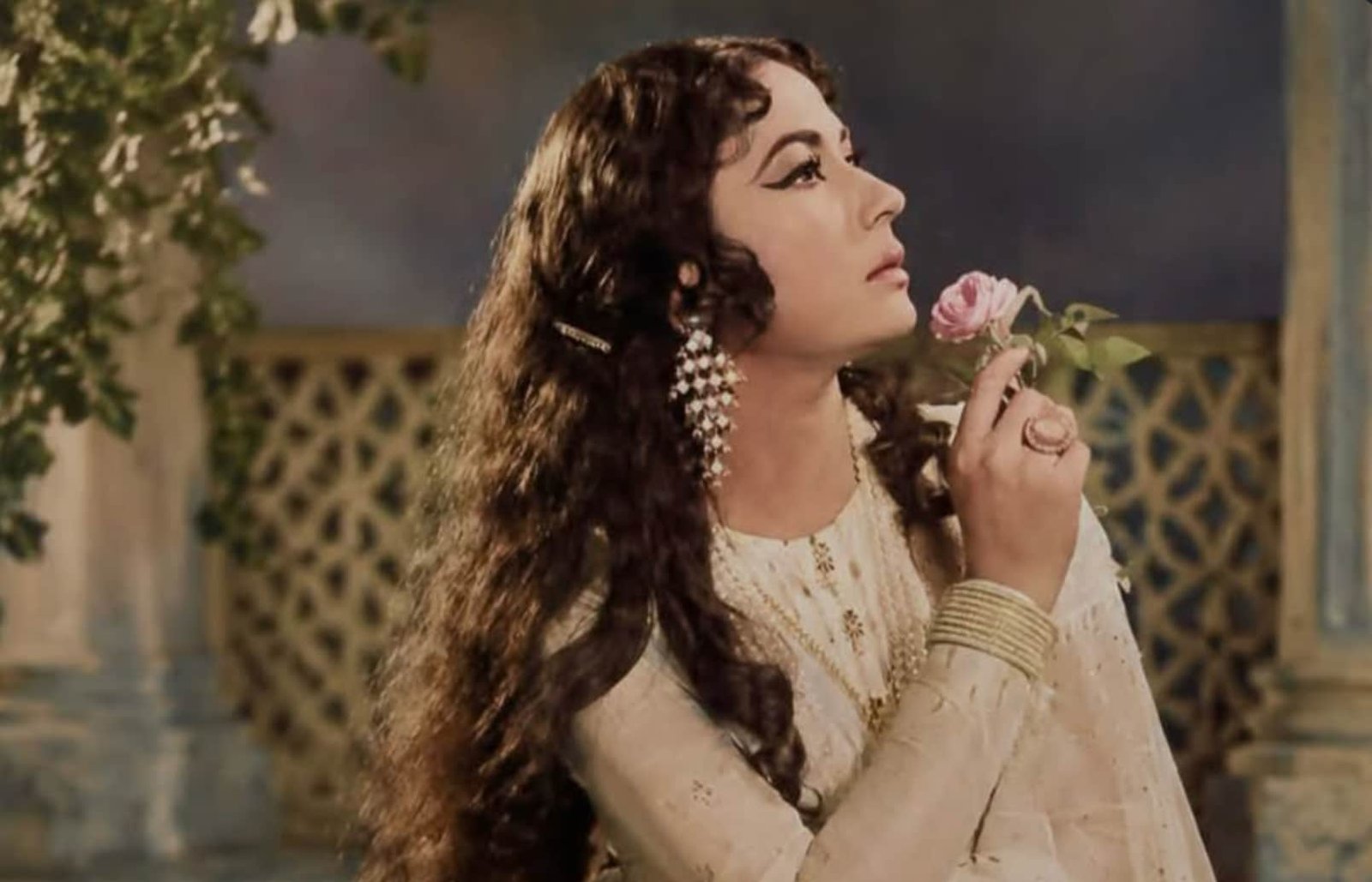
Meena Kumari’s relationship with her father remained complicated even after she became financially independent. According to Vinod Mehta’s biography, she wanted to marry filmmaker Kamal Amrohi but knew her father would oppose the relationship. She and Amrohi therefore kept the marriage secret while she arranged Rs 2 lakh to give her father. When Ali Bux eventually found out, he forced her to separate from Amrohi for a time. Meena eventually chose to leave her father’s home, but the break came at a huge personal cost.
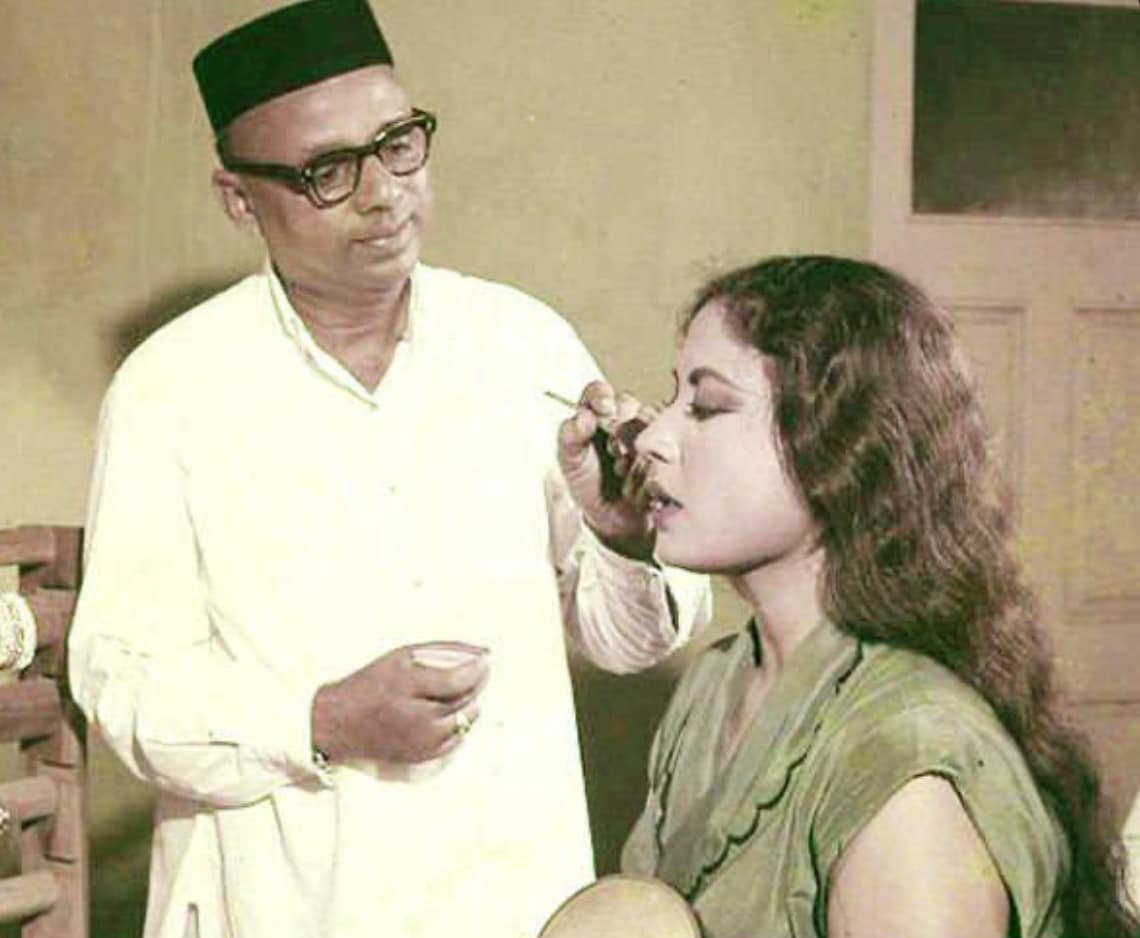
Meena’s childhood was almost entirely consumed by work. Her father did not want his daughters to spend money on formal education, and Meena and her sisters were put to work instead. She received some tutoring and developed a love for reading, but her earnings became essential to the family. By the time she was around six or seven, she was being moved from one studio to another as a child artiste. Her family eventually moved from a chawl to a house in Bandra as the girls’ film careers brought in more money.
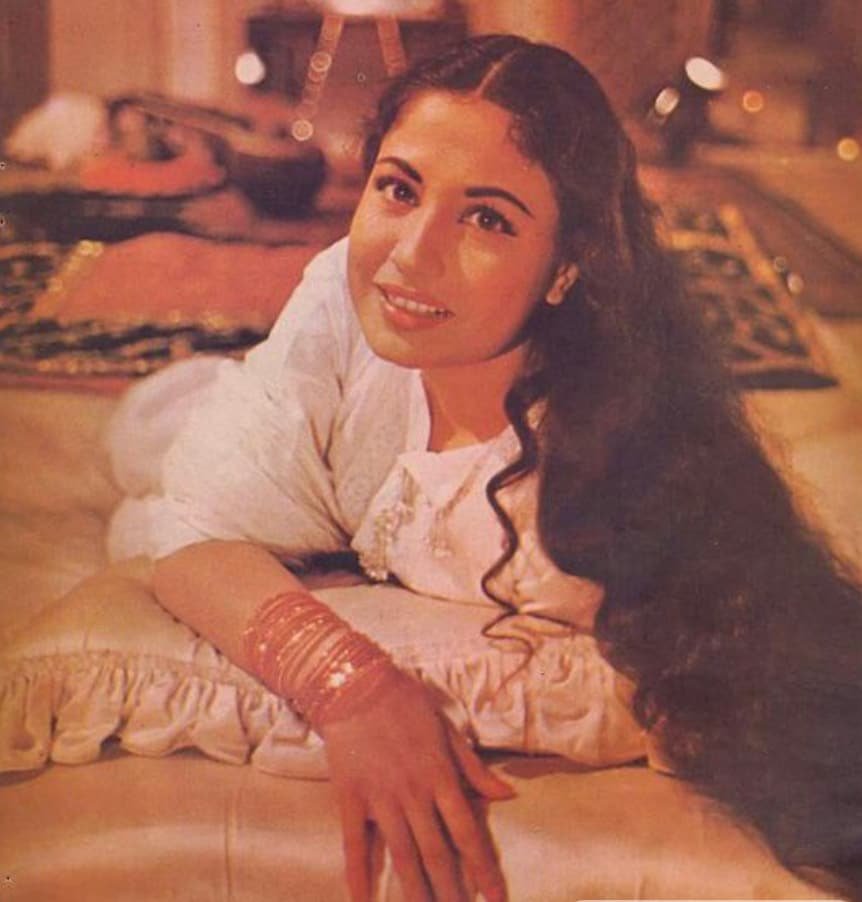
Meena’s childhood was almost entirely consumed by work. Her father did not want his daughters to spend money on formal education, and Meena and her sisters were put to work instead. She received some tutoring and developed a love for reading, but her earnings became essential to the family. By the time she was around six or seven, she was being moved from one studio to another as a child artiste. Her family eventually moved from a chawl to a house in Bandra as the girls’ film careers brought in more money.
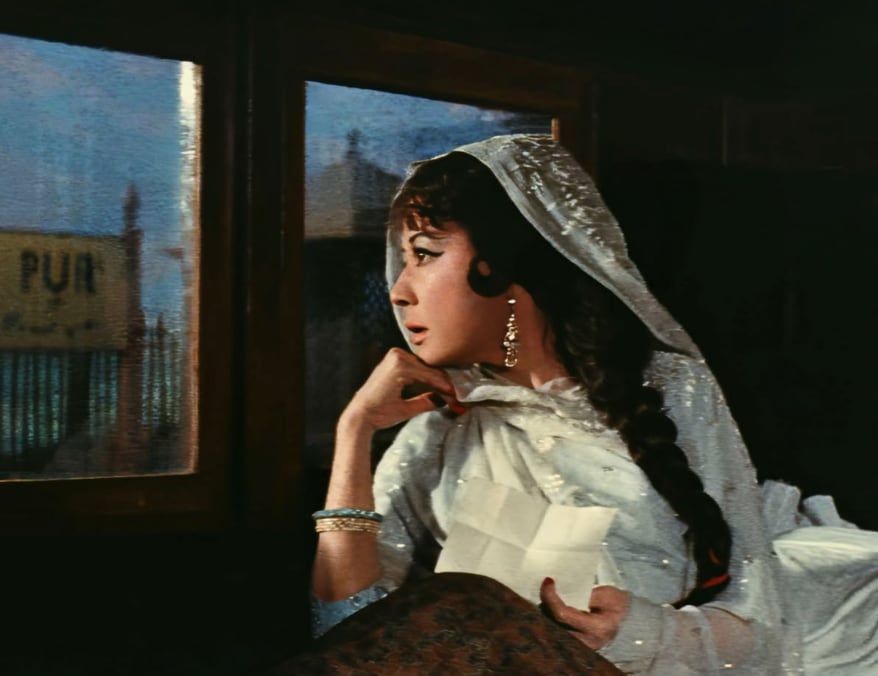
Meena Kumari’s career changed dramatically with Baiju Bawra in 1952. Her performance brought her major recognition and earned her top honours, establishing her as one of Hindi cinema’s leading actresses. She followed it with films such as Parineeta, Azaad, Sharada, Miss Mary and Dil Apna Aur Preet Parai. Her ability to play emotionally complex women eventually earned her the enduring title of Bollywood’s “Tragedy Queen.”
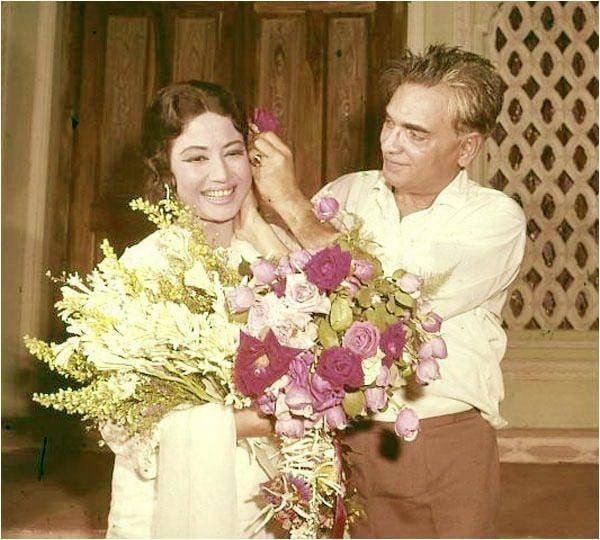
Meena Kumari secretly married filmmaker Kamal Amrohi on February 14, 1952, in a simple nikah ceremony. Their relationship later became deeply strained, particularly as their professional and personal lives became increasingly intertwined. The couple separated in 1964 after years of tension.
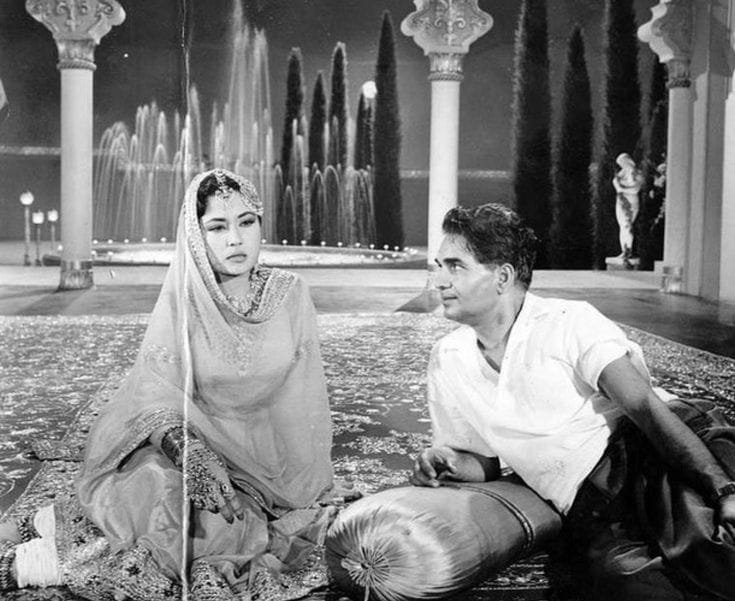
Their separation also brought Pakeezah, Amrohi’s ambitious film starring Meena, to a halt for several years. She eventually returned to complete the film.
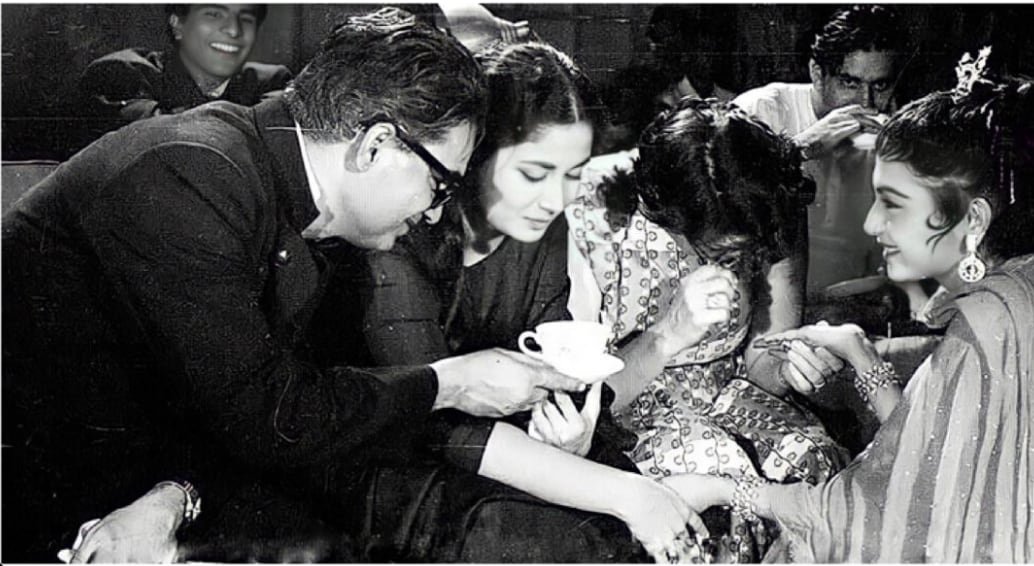
Kamal Amrohi’s Pakeezah had an unusually long production history and took years to complete. Meena Kumari returned to the film in 1969 after her separation from Amrohi, despite her deteriorating health. She played Sahibjaan, a courtesan who dreams of a different life, and the performance became one of the defining roles of her career. Pakeezah was finally released on February 4, 1972, only weeks before her death.
Pic: Pinterest
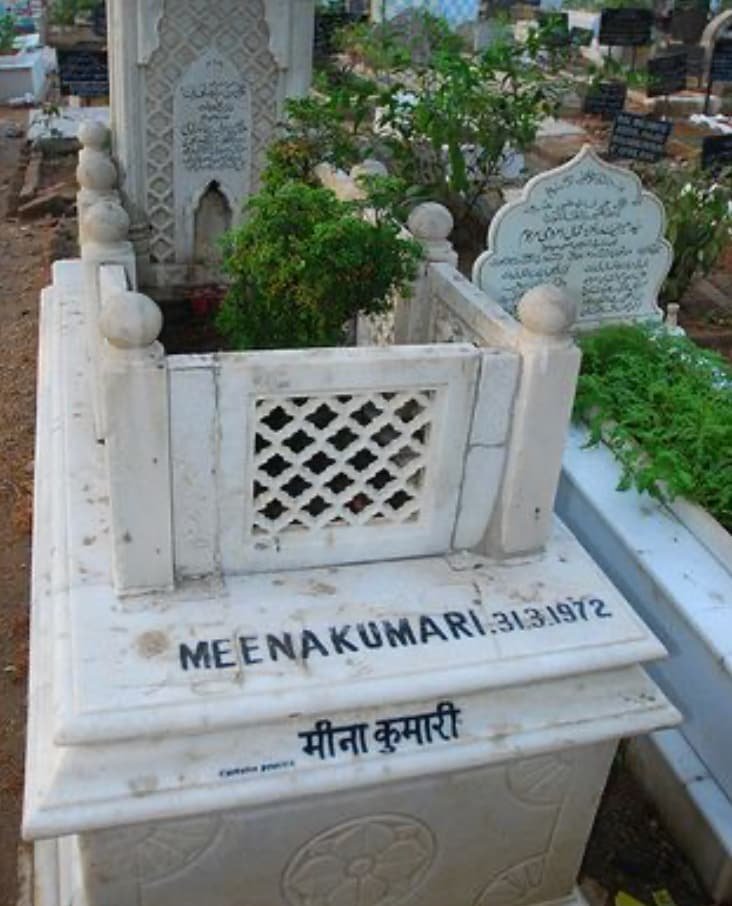
Meena Kumari was not only an actress. She wrote Urdu poetry under the pen name Naaz and also sang, including recordings made during her years as a child artiste. In her later years, her health deteriorated amid alcohol dependence, and she developed liver cirrhosis. Pakeezah released in February 1972, and Meena Kumari died on March 31, 1972.

Despite being one of Hindi cinema’s biggest stars, Meena Kumari reportedly faced severe financial problems towards the end of her life. Rinki Roy Bhattacharya, daughter of filmmaker Bimal Roy, told Rediff in 2014 that when Meena died on March 31, 1972, her family did not have the Rs 3,500 required to release her body from St Elizabeth’s Nursing Home. According to Bhattacharya, Meena’s doctor stepped in and paid the amount.